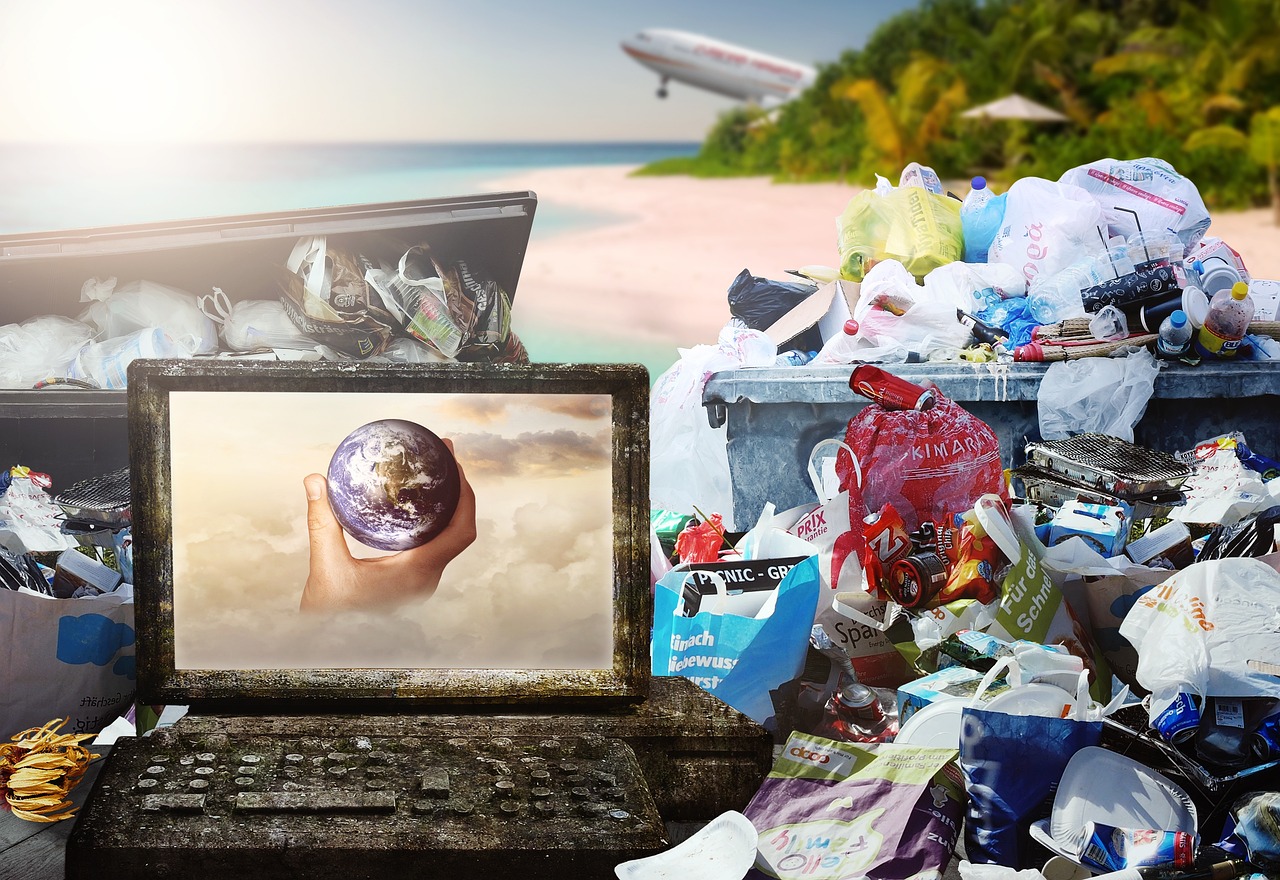
Plastic pollution is a pressing environmental issue that has far-reaching consequences for ecosystems and human health.
Introduction:
The extensive use of plastic products, coupled with improper disposal practices, has led to widespread contamination of the environment. This article explores the detrimental effects of plastic pollution on various ecosystems and the urgent need for collective action to address this global crisis.
Marine Ecosystems:
Plastic waste, particularly single-use items like bags, bottles, and straws, is often discarded irresponsibly, finding its way into rivers, lakes, and eventually oceans. The consequences for marine ecosystems are severe. Marine animals, such as turtles, seabirds, and marine mammals, mistake plastic debris for food or become entangled in it, leading to injuries, suffocation, and death. Moreover, plastic does not biodegrade but breaks down into microplastics, which can be ingested by tiny marine organisms, entering the food chain and ultimately affecting larger species, including humans.
Terrestrial Ecosystems:
Plastic pollution also impacts terrestrial ecosystems. Improper waste management practices cause plastic litter to accumulate in natural habitats, including forests, parks, and grasslands. This litter not only disrupts the aesthetics of these areas but can also harm wildlife, as animals may ingest or get entangled in plastic debris. Furthermore, plastic waste in landfills can release harmful chemicals and leachates, contaminating soil and groundwater.
Air Quality:
When plastic waste is incinerated or exposed to high temperatures, it releases toxic pollutants and greenhouse gases into the atmosphere. These emissions contribute to air pollution and climate change, exacerbating the environmental challenges faced by the planet.
Human Health:
Plastic pollution doesn't only harm ecosystems; it also poses risks to human health. Chemical additives used in plastic production, such as bisphenol A (BPA) and phthalates, can leach into food and water, potentially disrupting hormone systems and leading to health issues like cancer, developmental problems, and reproductive disorders.
Economic Impact:
The economic consequences of plastic pollution are significant as well. Coastal communities reliant on tourism and fishing suffer from reduced revenues due to polluted beaches and declining fish populations. Additionally, the cost of cleaning up plastic waste and mitigating its effects on the environment puts a strain on public resources.
Conclusion:
To combat this environmental scourge, we must promote responsible consumption, improve waste management infrastructure, and support initiatives to develop eco-friendly alternatives to single-use plastics. Only through collective efforts can we mitigate the impact of plastic pollution on the environment, safeguarding ecosystems, wildlife, and human health for generations to come.