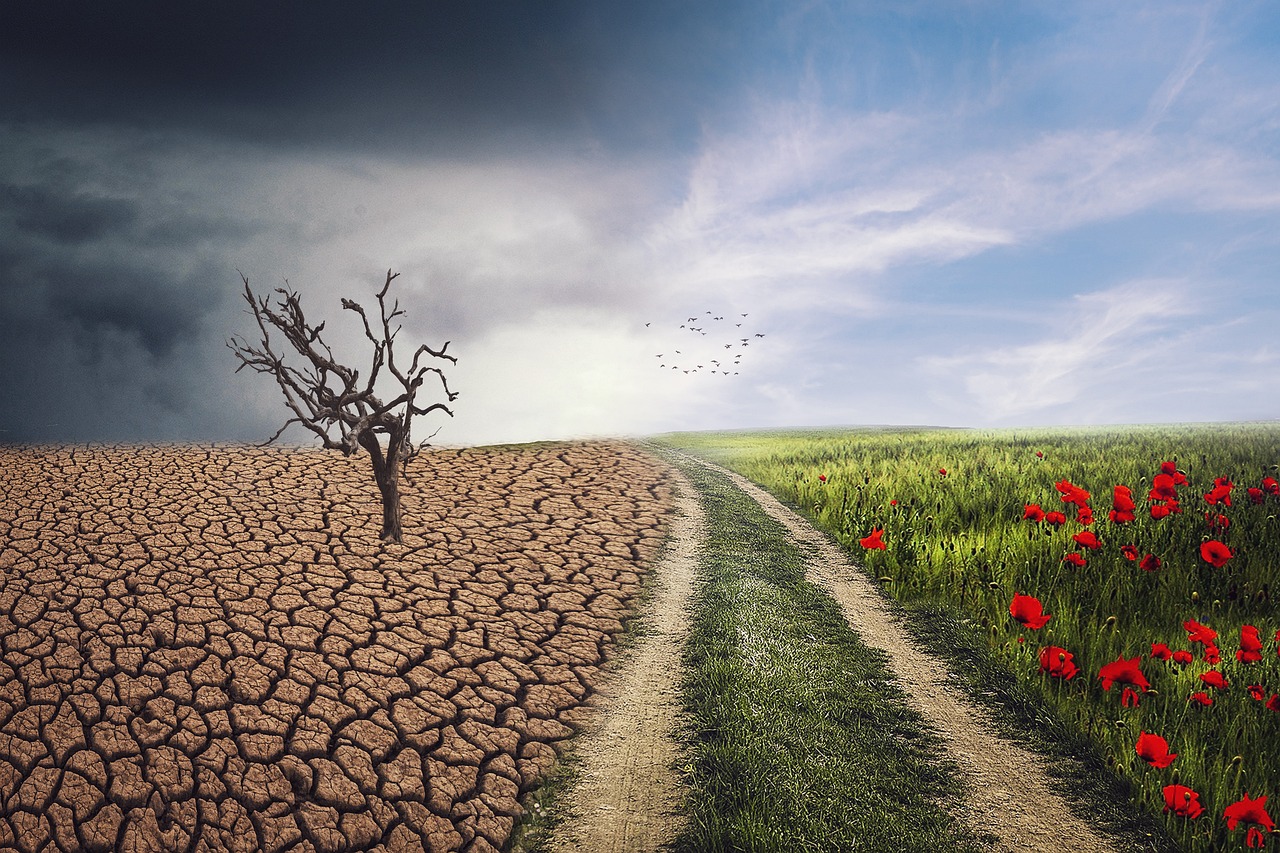
Introduction:
Climate change refers to the long-term alteration of Earth's climate patterns, primarily driven by human activities such as the burning of fossil fuels, deforestation, and industrial processes. The consequences of climate change are becoming increasingly evident worldwide, impacting ecosystems, weather patterns, and human societies. This article provides an overview of climate change and its effects, highlighting the urgent need for global action to address this critical challenge.
Greenhouse Effect and Global Warming:
The Earth's atmosphere contains greenhouse gases like carbon dioxide (CO2), methane (CH4), and nitrous oxide (N2O), which trap heat from the sun, maintaining a relatively stable climate suitable for life. However, human activities, especially the burning of fossil fuels, have significantly increased the concentration of greenhouse gases in the atmosphere, leading to enhanced heat trapping. This phenomenon, known as the greenhouse effect, results in global warming, causing Earth's average temperature to rise steadily.
Rising Global Temperatures:
The consequences of global warming are far-reaching. The planet's average surface temperature has increased over the past century, with the last few decades experiencing accelerated warming. The rise in temperatures leads to more frequent and intense heatwaves, posing health risks, stressing ecosystems, and affecting agricultural productivity.
Melting Ice and Rising Sea Levels:
Higher global temperatures accelerate the melting of glaciers and ice sheets in polar regions, contributing to rising sea levels. This process threatens coastal communities, low-lying islands, and vulnerable ecosystems. Increased flooding and coastal erosion are among the impacts of rising sea levels, displacing millions of people and leading to loss of land and infrastructure.
Extreme Weather Events:
Climate change intensifies extreme weather events, including hurricanes, typhoons, droughts, and heavy rainfall. These events can cause devastating impacts on communities, disrupting livelihoods, and resulting in economic losses. The frequency and severity of such events are projected to increase in the future if climate change is not mitigated.
Ocean Acidification:
The absorption of excess CO2 by the world's oceans leads to ocean acidification. Acidification interferes with the ability of marine organisms like corals, shellfish, and plankton to build and maintain their calcium carbonate-based structures. This poses a severe threat to marine ecosystems, disrupting food chains and affecting the livelihoods of communities dependent on ocean resources.
Biodiversity Loss:
Climate change, along with other human activities, contributes to biodiversity loss. Many plant and animal species struggle to adapt to rapidly changing conditions, leading to reduced populations and, in some cases, extinction. The loss of biodiversity disrupts ecosystem functions, affecting pollination, nutrient cycling, and natural pest control.
Conclusion:
Climate change is a defining challenge of our time, with wide-ranging impacts on the environment, society, and the economy. Urgent action is required to reduce greenhouse gas emissions, transition to sustainable energy sources, conserve forests and natural habitats, and develop climate-resilient strategies. By coming together on a global scale and implementing effective climate solutions, we can mitigate the worst effects of climate change and secure a sustainable future for generations to come.